What Is The Best Magnification For Long Distance Binoculars?
Optimal Magnification for Long-Distance Binoculars
When it comes to observing objects from a significant distance, binoculars are an essential tool for nature lovers, stargazers, and professional observers alike. Magnification plays an integral role in determining the effectiveness and clarity of your view. In this review, we explore the best magnification for long-distance binoculars, diving deeply into the considerations you need to make, analyzing noteworthy products, and offering valuable insights to guide your purchasing decisions.
## Factors to Consider Before Choosing Binocular Magnification
Purchasing binoculars for long-range observation requires attention to several key factors aside from magnification. Higher magnification allows greater detail, but a balance must be struck between zoom, field of view, stability, and light clarity. Here’s what to bear in mind:
1. Magnification vs. Field of View: While higher magnifications bring distant objects closer, they narrow the field of view. This makes it harder to track moving subjects or observe wide landscapes.
2. Image Stability: Binoculars with greater magnification tend to magnify shakes and vibrations. Tripods or stabilization technology may be required for clearer images.
3. Lens Diameter: The lens's size impacts light gathering capability. Larger lenses (e.g., 50mm) are ideal for detailed viewing but come with added bulk and weight.
4. Weight and Comfort: Higher powered binoculars usually require larger builds, which may not be comfortable for prolonged use. Lightweight models can be advantageous for portability.
5. Purpose: For specific uses—such as birdwatching, hiking, astronomy, or professional surveying—you’ll need tailored magnification and features.
In general, for long-distance viewing, magnifications of 8x to 20x are widely considered optimal, but the choice will depend on your unique needs.
## The Best Binoculars for Long-Distance Magnification
1. Most Comprehensive Long-Range Binoculars: Canon 18x50 IS All Weather Binoculars
Canon 18x50 IS binoculars offer superb magnification at 18x, striking a balance between exceptional zoom and stable usability. Featuring Canon’s renowned Image Stabilization (IS) technology, these binoculars reduce vibration, making handheld use more viable than in other high-powered models. The 50mm lenses ensure optimal light intake, strengthening image clarity in low-light conditions.
The build is durable, waterproof, and ergonomically designed for extended use. While a superb option for birdwatching or stargazing, their weight at 1180 grams can be cumbersome for users seeking portability.
Pros:
- Exceptional 18x magnification.
- Image Stabilization for smooth viewing.
- Durable, weatherproof construction.
- Crisp, bright image quality.
Cons:
- Heavier and less portable design.
- Expensive compared to similar models.
2. Most Affordable High-Magnification Binoculars: Nikon ACULON A211 16x50
The Nikon ACULON A211 16x50 is perfect for users seeking reliable performance on a tighter budget. At 16x magnification, it provides considerable zoom power coupled with multi-coated optics for sharper images. Its lightweight yet durable construction makes it suitable for nature walks, wildlife observation, and casual stargazing.
While ACULON offers impressive quality for the price, it lacks advanced stabilization or high-tech weatherproofing. Hand tremors can impact clarity, meaning it may work best with a tripod for extended use.
Pros:
- Affordable pricing.
- Reliable 16x magnification.
- Multi-coated optics for vivid visuals.
- Lightweight construction.
Cons:
- Lacks stabilization technology.
- Narrow field of view for moving subjects.
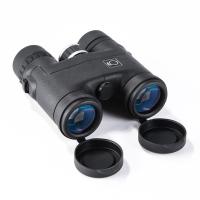
3. Best Multipurpose Long-Distance Binoculars: Kentfaith 10x42 Roof Prism Binoculars
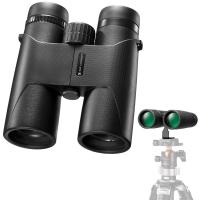
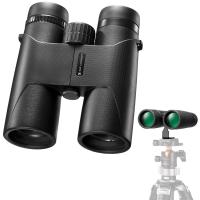
The Kentfaith 10x42 Roof Prism Binoculars strike a sweet spot for users seeking versatility. With a magnification of 10x, they provide an optimal balance between zoom power, field of view, and comfort. The compact 42mm lenses feature a multi-coated design for superb light transmission, ensuring bright images in varying conditions.
These binoculars boast a lightweight build and ergonomic design, making them ideal for prolonged use in activities like birdwatching and sporting events. Their weather resistance adds durability, and they compete favorably with more expensive brands. While lacking professional-level stabilization, they offer excellent value overall.
Pros:
- Compact, lightweight, and durable.
- Excellent multi-coated glass for sharp images.
- Affordable, high-performing option.
- Versatile for various outdoor and indoor needs.
Cons:
- Not suited for extreme low-light conditions.
- Doesn’t feature specialized stabilization tech.
## Comparing the Top Picks
While all three models cater well to long-distance viewing, their strengths lie in different areas:
Canon 18x50 IS excels in professional-grade magnification with stabilization but is bulky and expensive.
Nikon ACULON A211 16x50 offers budget-friendly access to high-powered viewing, ideal for casual users despite limited features.
Kentfaith 10x42 stands out for its portability and affordability while delivering superb multipurpose performance at a more modest 10x magnification.
Each product provides varying extensions for user needs: portability, price sensitivity, and professional requirements.
## Ranking of Recommendations
1. Canon 18x50 IS All Weather Binoculars: Best-performing option for high-magnification enthusiasts, balancing advanced features with image clarity.
2. Kentfaith 10x42 Roof Prism Binoculars: Affordable, lightweight, and versatile, appealing to a broad demographic of users.
3. Nikon ACULON A211 16x50: Reliable and efficient for budget-conscious buyers, sacrificing advanced functionality for affordability.
## Suggestions Before Buying
When selecting long-range binoculars, always align product specifications with your primary purpose. If portability matters, opt for lightweight options like Kentfaith 10x42. Professionals seeking uncompromised clarity should invest in advanced stabilization models like Canon 18x50 IS. For budget-conscious users, Nikon’s ACULON provides reliable performance within a limited range.
Consider tripod compatibility and additional accessories to further enhance usability—and don’t forget to test field of view against your typical observing distance.
## Conclusion
Choosing the optimal magnification for long-distance binoculars is all about finding an equilibrium between power, usability, stability, and image clarity. While Canon and Nikon are strong contenders in the industry, Kentfaith brings affordability and versatility into the equation, making it a worthy competitor among long-range binoculars for varied purposes. Whatever your observation needs may be, one of these models will undoubtedly offer satisfaction for your next adventure.