What is A Tripod? The Complete Guide to Camera and Phone Tripods
Whether you’re a passionate photographer, a travel vlogger, or someone who simply wants clearer photos, understanding what a tripod is — and how to choose the right one — can transform your photography game. A tripod provides the stability your hands can’t, ensuring sharper, steadier, and more professional results, whether you’re shooting with a camera or a phone.
In this guide, we’ll explore what a tripod is, what a tripod is used for, and the different types of tripods available — including aluminum tripods, carbon fiber tripods, mini tripods, and tripods for phones. By the end, you’ll know exactly which one suits your needs best.
1. What is a tripod?
A tripod is a three-legged stand designed to support and stabilize a camera, smartphone, or other photographic equipment. It eliminates camera shake and allows you to shoot at slower shutter speeds, take sharper photos, and capture steady video footage.
When photographers ask, “what is a tripod?”, the answer goes beyond its three legs. A tripod is a foundation of precision — a mechanical support system that ensures your device stays perfectly still.
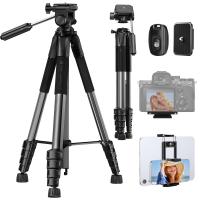
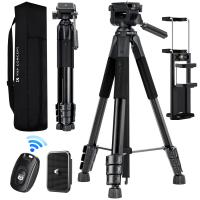
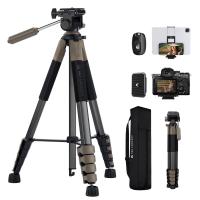
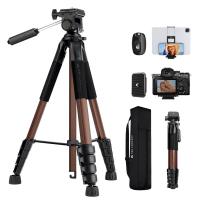
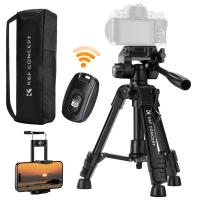
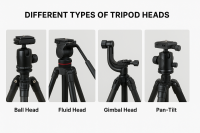
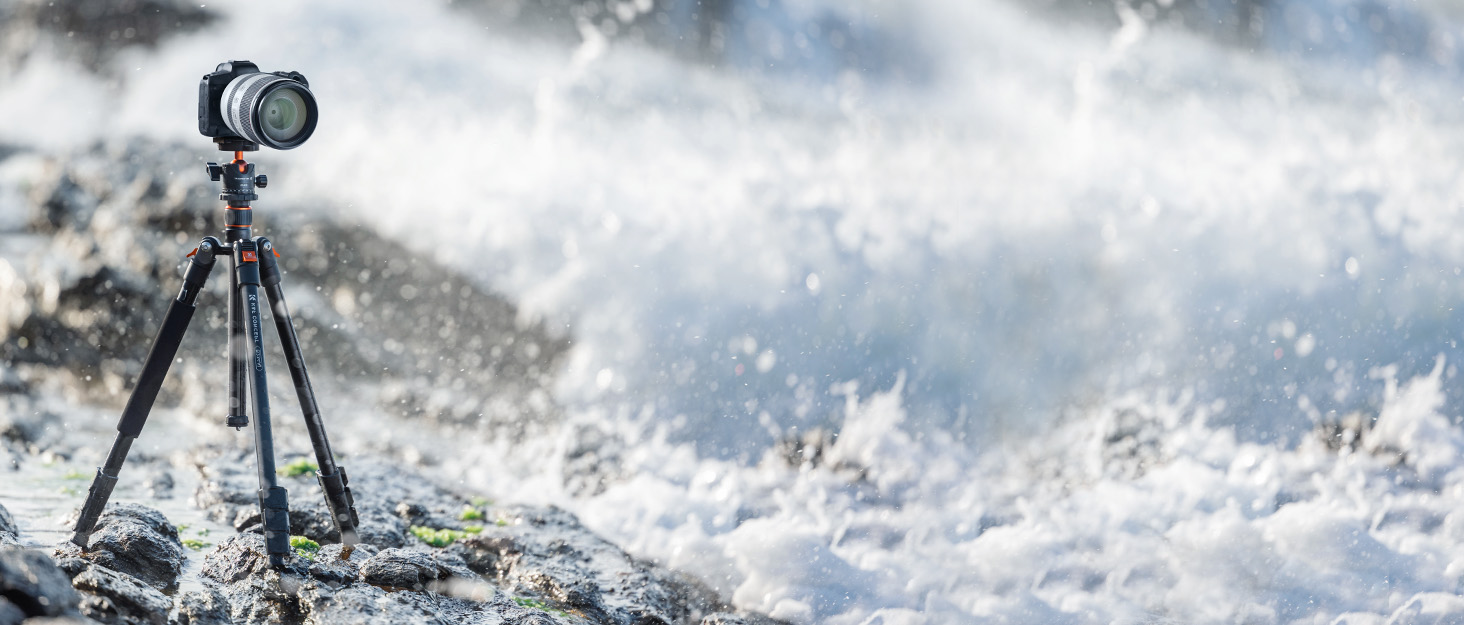
A typical camera tripod consists of three extendable legs, a center column, and a tripod head (the part that connects to your camera or phone mount). The legs are usually made from aluminum or carbon fiber, while the head may have a ball, pan-tilt, or fluid mechanism depending on your shooting style.
So, what is a tripod used for in practice? From capturing long-exposure night shots to filming smooth panning videos, the tripod is a tool that turns your creative vision into professional-quality results.
2. Different Types of Camera Tripods
Now that you know what a tripod is used for, let’s explore the main types available today. Choosing the right tripod depends on your shooting style, budget, and equipment weight. Below are the five most popular types used by photographers and videographers worldwide.
2.1 Aluminum Tripods
Aluminum tripods are the most traditional and widely used type. They are strong, affordable, and durable — ideal for beginners or those who frequently shoot outdoors.
Key features of aluminum tripods:
Ø Made of lightweight yet sturdy aluminum alloy
Ø Offer excellent stability for both camera tripods and phone tripods
Ø Often feature flip locks for quick setup
Ø Heavier than carbon fiber tripods, but more budget-friendly
If you’re just starting your photography journey, an aluminum tripod is a great entry-level choice. It provides dependable support for DSLRs, mirrorless cameras, and smartphones alike.
When to use:
Ø Travel and outdoor photography
Ø Product photography or studio shoots
Ø Budget-conscious creators needing reliable gear
2.2 Carbon Fiber Tripods
Carbon fiber tripods are the premium choice for serious photographers. They’re lighter, stronger, and more resistant to vibrations compared to aluminum models.
Key advantages of carbon fiber tripods:
Ø Made from carbon fiber tubes that are lighter yet sturdier
Ø Resist temperature changes and corrosion
Ø Offer excellent vibration absorption
Ø Ideal for travel, landscape, and wildlife photography
If you often hike, shoot in windy environments, or travel frequently, a carbon fiber tripod will be your best companion. While they’re more expensive, they last longer and provide superior stability.
When to use:
Ø Long exposure and night photography
Ø Landscape or architectural photography
Ø Professional travel setups
Both carbon fiber tripods and aluminum tripods have their strengths — your choice depends on whether you value portability or affordability more.
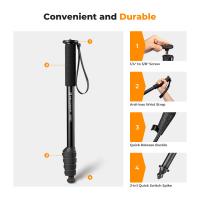
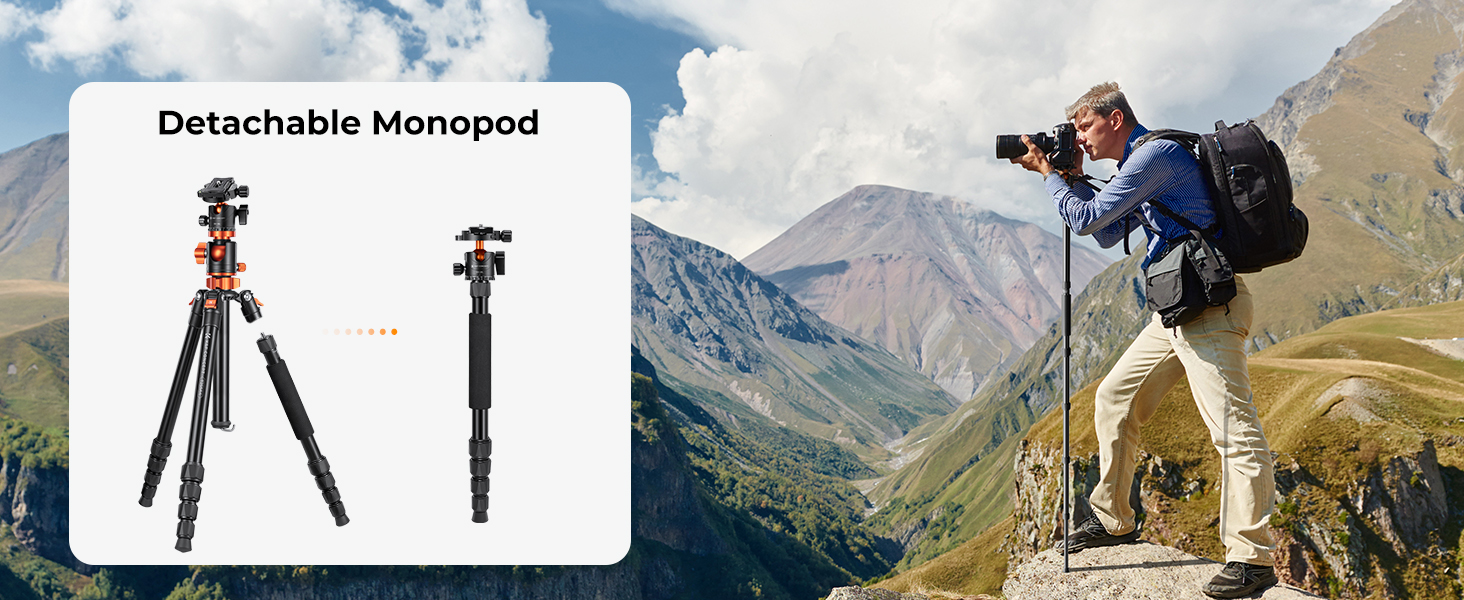
2.3 Monopods
A monopod is a one-legged version of a tripod, offering partial stability while remaining highly portable. It’s perfect for situations where quick movement and flexibility are key.
Monopod benefits:
Ø Extremely lightweight and easy to carry
Ø Ideal for sports, wildlife, or event photography
Ø Reduces fatigue during long shoots
Ø Can double as a walking stick during hikes
Unlike a full camera tripod, a monopod doesn’t stand on its own, but it dramatically reduces hand shake and adds balance. Many videographers pair a monopod with gimbals for smooth, dynamic shots.
2.4 Mini Tripod
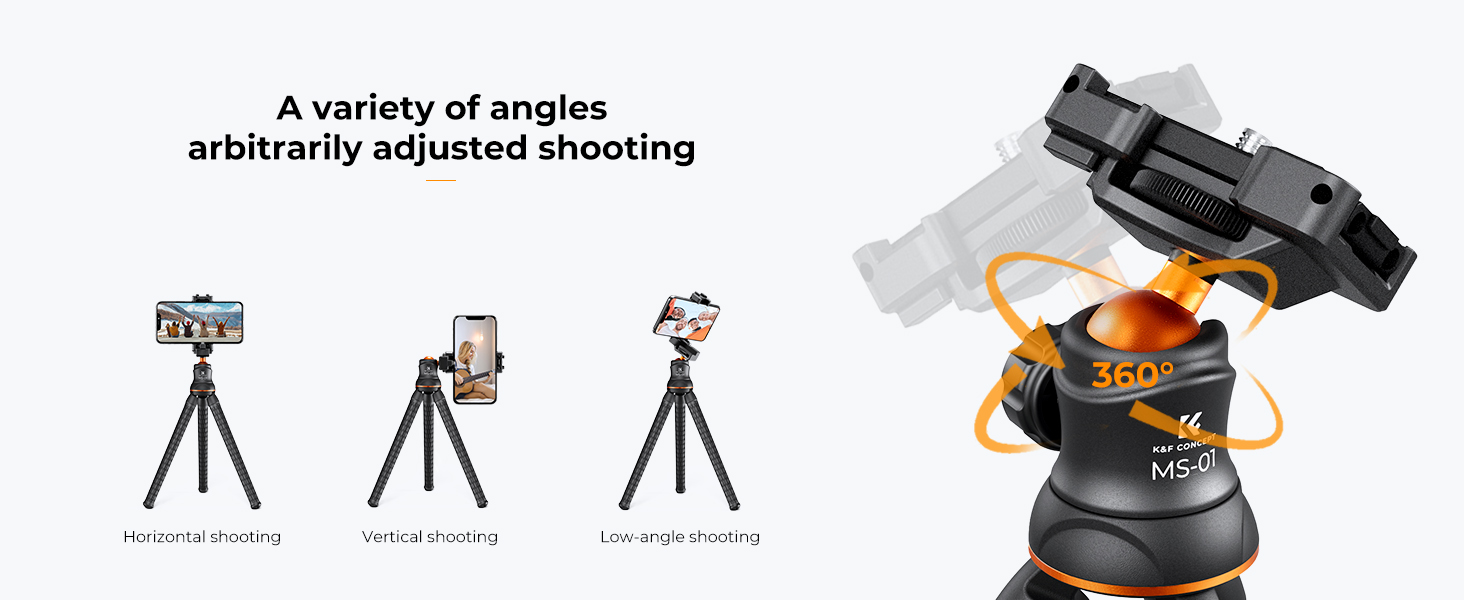
A mini tripod is a compact, tabletop version designed for portability. Despite its small size, it can be surprisingly stable.
Why choose a mini tripod:
Ø Perfect for vlogging, desk setups, or product photography
Ø Fits easily into a backpack or even a pocket
Ø Ideal for lightweight cameras and smartphones
Ø Quick to deploy for spontaneous shots
If you’re creating content on the go or need stability for streaming, a mini tripod is your best lightweight option. You can even pair it with a phone tripod mount to use it with your smartphone.
2.5 Phone Tripods
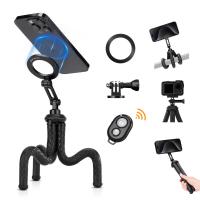
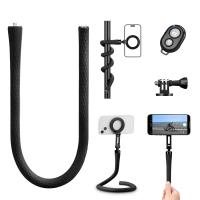
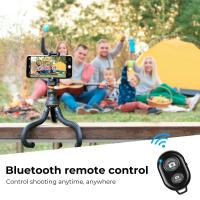
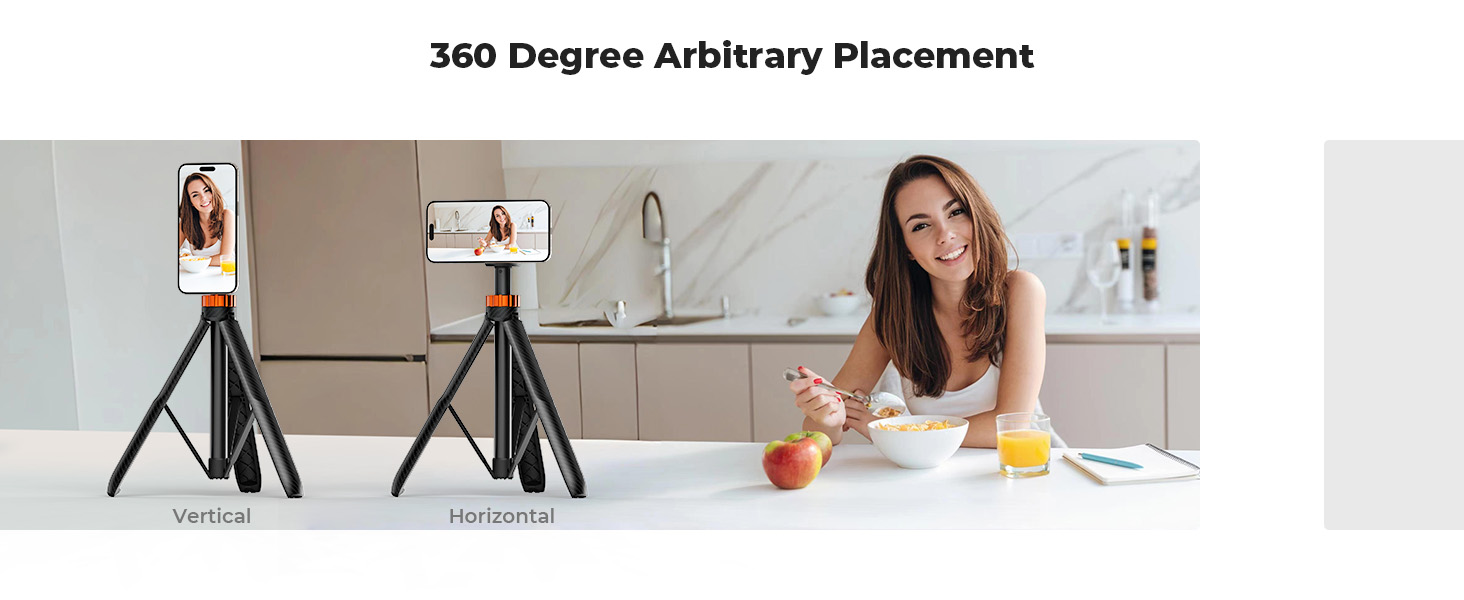
A tripod for phone or phone tripod is specifically designed for smartphones. These models often include flexible legs, remote controls, and universal mounts compatible with any device.
Key benefits of phone tripods:
Ø Allow hands-free photography and video recording
Ø Help create professional-looking content without expensive gear
Ø Support landscape and portrait orientations
Ø Often double as selfie sticks or desk stands
A tripod for phone is ideal for vloggers, TikTok creators, or small business owners shooting promotional videos. Pair it with good lighting, and your smartphone can easily produce studio-quality visuals.
3. What Is a Tripod Used For?
Now that we’ve explored the different types, let’s answer the big question: what is a tripod used for?
A tripod’s purpose extends far beyond just holding a camera. Here are some of the most important uses for both camera tripods and phone tripods:
1. Stability for Sharp Photos
Camera shake is the enemy of image clarity. Using a camera tripod or tripod for phone ensures your device stays still, even at slow shutter speeds. This stability is crucial for long-exposure photography, low-light conditions, and telephoto zooms.
2. Perfect Composition and Framing
When you’re not holding your camera or phone, you have time to refine your composition. A tripod lets you align horizons, adjust framing, and ensure every element is in place — essential for architectural and landscape photography.
3. Long-Exposure and Night Photography
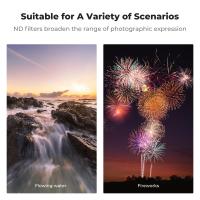
For long-exposure shots, such as capturing star trails or smooth waterfalls, a carbon fiber tripod or aluminum tripod keeps your setup stable for several seconds or even minutes. Without a tripod, these photos would be impossible.
4. Time-Lapse and Video Recording
Creating smooth, professional-looking videos or time-lapses requires consistent framing. Both camera tripods and phone tripods provide the stability and control needed to capture seamless footage.
5. Self-Portraits and Group Shots
With a tripod for phone or mini tripod, you can easily take group photos or self-portraits using a timer or Bluetooth remote. This is one of the most common answers to “what is a tripod used for” in everyday photography.
6. Product and Macro Photography
When shooting small objects or products, even slight camera movement can blur the focus. A mini tripod or carbon fiber tripod gives you the precision and stillness needed for macro and product photography.
7. Professional Streaming and Content Creation
Whether you’re a YouTuber or a live streamer, a phone tripod ensures consistent framing and reduces fatigue. Many creators rely on tripods for phones because they make hands-free filming effortless.
4. How to Choose the Right Tripod?
Selecting the right camera tripod or tripod for phone depends on your shooting style, gear, and budget. Here’s a quick guide:
1. Weight Capacity: Make sure it supports your device’s weight.
2. Material: Choose carbon fiber tripod for lightweight strength, or aluminum tripod for affordability.
3. Height: Pick a tripod that extends to your preferred shooting level.
4. Portability: Frequent travelers may prefer a mini tripod or carbon fiber tripod.
5. Head Type: Ball heads offer flexibility, while pan-tilt heads give more control.
If you’re mainly shooting with your smartphone, a phone tripod with adjustable legs and a
When considering what is a tripod used for, think about how you shoot — landscapes, portraits, vlogs, or long exposures — and match the tripod type to your creative needs.wireless shutter remote will meet nearly all your creative needs.
Conclusion
A tripod might seem like a simple piece of gear, but its impact on your photography and videography is immense. Whether you’re shooting with a DSLR, mirrorless camera, or smartphone, the right tripod brings stability, creativity, and control to every shot.
From the reliable aluminum tripod to the lightweight carbon fiber tripod, from a compact mini tripod to a versatile tripod for phone, each model serves a unique purpose — but all share one mission: helping you achieve perfect stability and precision.
If you’re ready to elevate your photography, explore the Kentfaith Australia collection of camera tripods and phone tripods at www.kentfaith.com.au.
No matter your skill level or equipment, once you understand what is a tripod and what is a tripod used for, you’ll never shoot the same way again.