What Binocular Magnification Is Best For Stargazing?
Choosing the Best Binocular Magnification for Stargazing
When it comes to stargazing, binoculars can serve as an excellent tool to explore celestial wonders without the need for bulky telescopes. They offer a wider field of view, portability, and ease of use, making them ideal for beginners and seasoned stargazers alike. Understanding the ideal binocular magnification and features is crucial in selecting a pair that meets your needs while providing stunning views of the night sky.
## Considerations for Choosing Stargazing Binoculars
Before settling on a binocular model, it's essential to assess a few important factors that directly affect their suitability for astronomy:
1. Magnification and Aperture: A balance between magnification (e.g., 7x, 10x) and aperture size (measured in millimeters, such as 42mm or 50mm) is necessary. The magnification should be powerful enough for clear sky views while maintaining image stability and sufficient light gathering.
2. Field of View: A wider field of view allows for easier tracking of objects moving across the night sky or locating large celestial bodies.
3. Image Stabilization: Higher magnification can result in shaky images unless the binoculars have tripod adaptability or built-in stabilization.
4. Portability: Lighter models are easier to handle during long observation sessions, while larger, heavier binoculars may require a tripod for comfort.
5. Optical Quality: Features like fully multi-coated lenses, BaK-4 prisms, and sharp focus are vital to ensure bright and clear images of stars and planets.
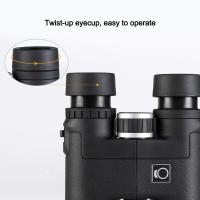
6. Durability and Comfort: Weather-resistant or waterproof designs can be beneficial for outdoor use, and comfortable eyecups are important for extended stargazing.
Let's dive into some of the most popular binoculars tailored for astronomy and analyze how they cater to these considerations.
## Best Stargazing Binoculars
1. Celestron SkyMaster 15x70
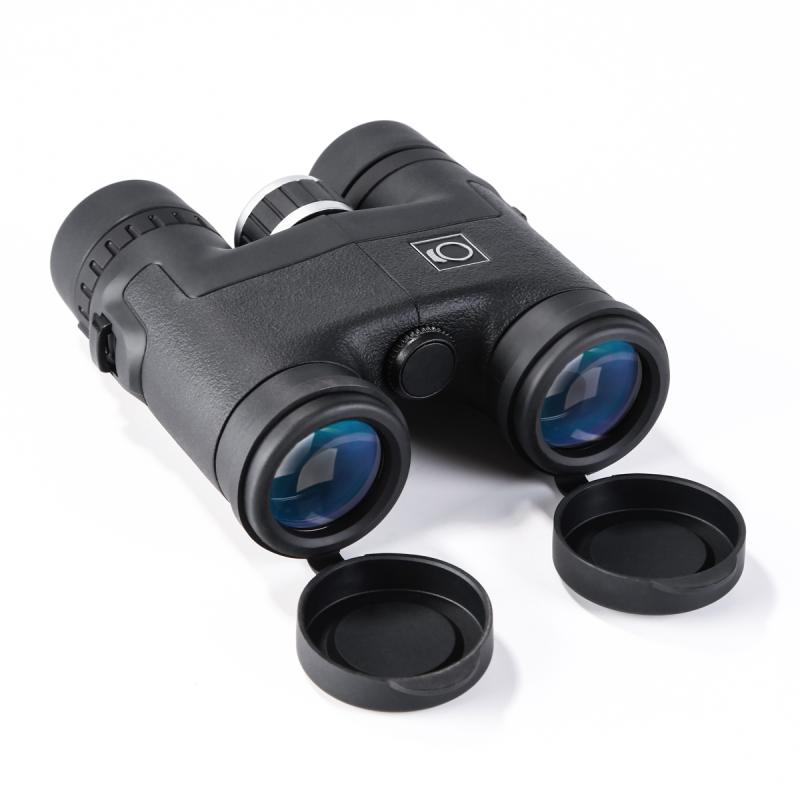
The Celestron SkyMaster 15x70 is a popular choice among stargazers due to its impressive magnification and light-gathering capabilities. With a 70mm aperture, it allows plenty of light to enter the lenses, offering spectacular views of celestial objects like the moon, planets, and even distant nebulas in dark skies. Its 15x magnification, however, does require either steady hands or a tripod to avoid shaky visuals.
Pros:
- Excellent light-gathering power for dim objects
- Affordable price for its specs
- Coated optics for sharp image clarity
- Suitable for both handheld use and tripod mounting
Cons:
- Heavier design may cause hand fatigue during prolonged use
- Requires a tripod for best performance due to 15x magnification
- Slight chromatic aberration at the edges of the field of view
Ideal for beginners and budget-conscious users, the SkyMaster 15x70 is an excellent entry-level model with robust optical performance.
2. Nikon Action EX 12x50
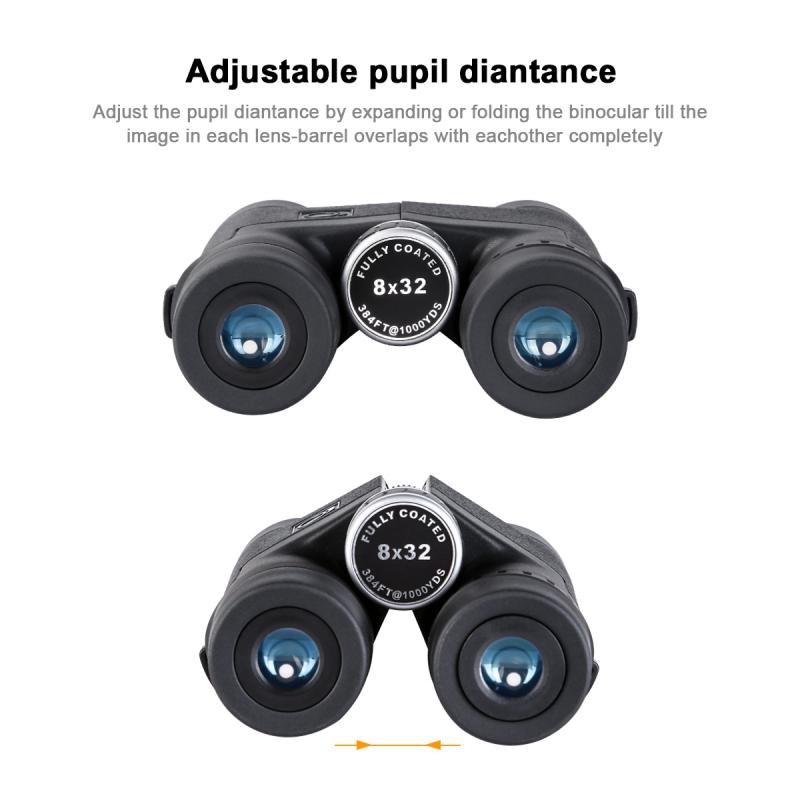
The Nikon Action EX 12x50 strikes a comfortable balance between portability and performance. With a 50mm aperture and slightly lower magnification of 12x, it provides both bright and steady views. Thanks to its ergonomic rubber-armored housing, it’s durable and weatherproof, making it versatile for both stargazing and other outdoor activities.
Pros:
- Bright image quality with multi-coated lenses
- Water and fog resistance for general weather use
- Lightweight and ergonomic design for comfortable handling
- Sharp focus with fewer distortions
Cons:
- Narrower field of view compared to lower magnification models
- Less impressive for deep-sky objects due to modest aperture size
The Nikon Action EX is suitable for stargazers prioritizing handheld use and portability over extreme deep-sky exploration.
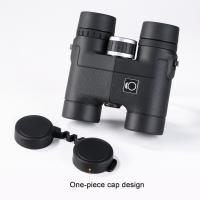
3. Kentfaith 10x50 Astronomy Binoculars
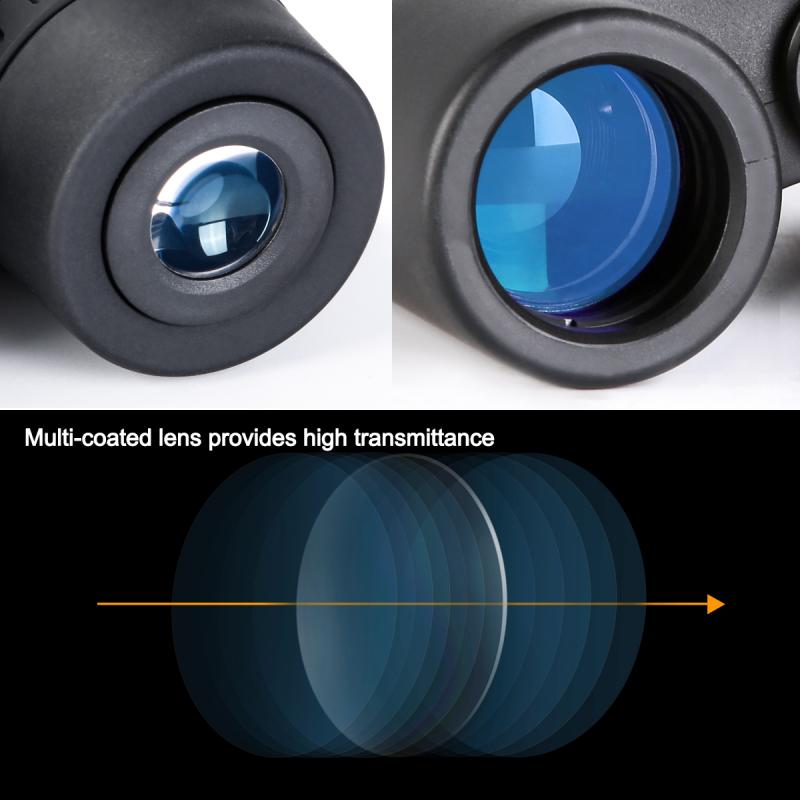
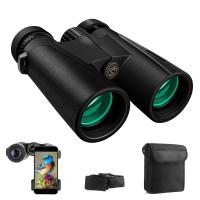
Kentfaith has emerged as a promising name in stargazing binoculars, offering the perfect combination of compact design and optical quality. The Kentfaith 10x50 binoculars are highly versatile for a variety of astronomy needs. With fully multi-coated lenses, BaK-4 prisms, and a wide field of view, they ensure brilliant contrast and color accuracy when viewing celestial objects.
The 10x magnification keeps the image steady, even when handheld, while the 50mm aperture gathers enough light for observing star clusters and craters on the moon. Furthermore, these binoculars boast a weatherproof design, enhancing their adaptability for outdoor stargazing in various conditions.
Pros:
- Lightweight and easy to handle for long observation sessions
- Wide field of view for tracking planets and large celestial areas
- Fully multi-coated optics for optimized brightness and clarity
- Affordable pricing with premium-grade features
Cons:
- Not as effective for deep-sky objects as larger models like the Celestron SkyMaster
- Requires steady hands or minor support to avoid slight shake at prolonged use
The Kentfaith 10x50 binoculars are perfect for beginners and hobbyists who favor portability without sacrificing optical performance.
4. Vortex Viper HD 10x50
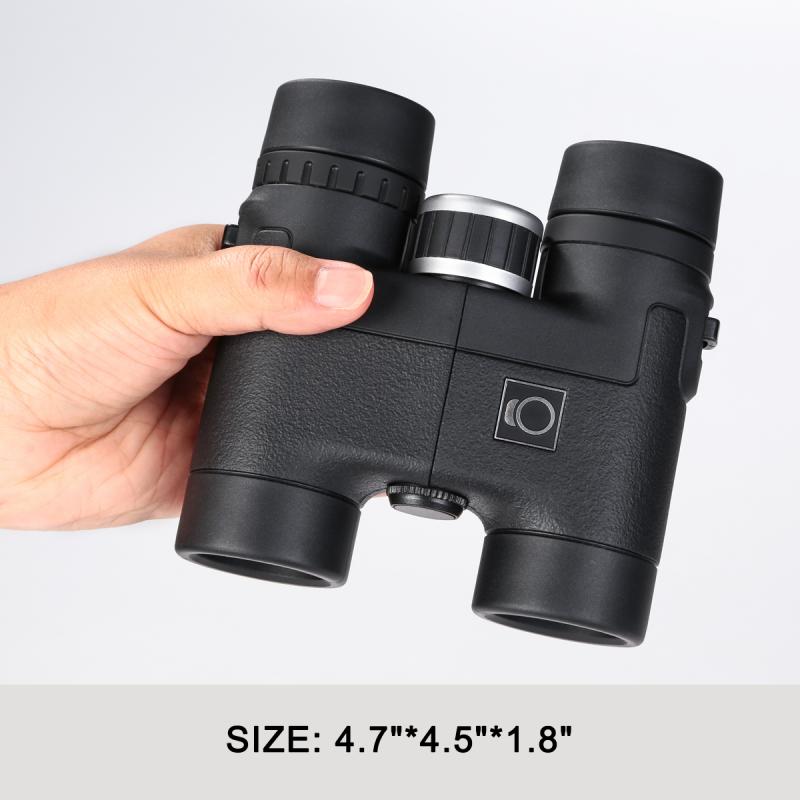
Known for its outstanding addition of high-definition optics, the Vortex Viper HD 10x50 features premium glass elements designed for maximum clarity. With its crisp and vivid visuals, the Viper excels in both stargazing and terrestrial observation.
Pros:
- Extra-low dispersion glass for HD imagery and sharp contrast
- Multi-coated lenses for reduced glare and better light transmission
- Smooth and precise focusing mechanism
- Lightweight, rugged, and waterproof construction
Cons:
- Higher price range compared to similar options
- 10x magnification may feel restrictive for deep-space enthusiasts
The Vortex Viper HD 10x50 is tailored for astronomy enthusiasts who demand professional-level optics and do not mind paying a premium.
5. Orion GiantView 15x70
If you're looking for high-powered binoculars with impressive light-gathering capabilities, the Orion GiantView 15x70 is an excellent contender. Designed specifically for astronomy, these binoculars ensure brilliant views of faint objects and planets, though their size demands a tripod for effective use.
Pros:
- Outstanding magnification for spotting dim celestial objects
- Excellent build quality with weather resistance
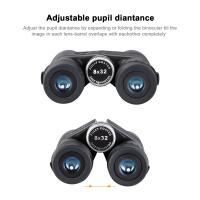
- Adjustable interpupillary distance and eyepieces for comfort
- Fully multi-coated lenses for enhanced brightness
Cons:
- Bulky size and heavy weight require tripod use
- Expensive compared to beginner models
The GiantView 15x70 is best suited for serious stargazers aiming to explore faint, deep-sky objects.
## Recommended Stargazing Binoculars
1. Celestron SkyMaster 15x70: Ideal for budget-conscious users who want powerful magnification and light-gathering performance.
2. Nikon Action EX 12x50: Great for those looking for versatile, lightweight binoculars capable of steady handheld usage.
3. Kentfaith 10x50 Astronomy Binoculars: A superb option for beginners who want portable yet high-quality optics without stretching their budget.
## Final Suggestions
When selecting binoculars for stargazing, focus on your primary goals, such as portability, magnification power, or intended celestial targets. Beginners might prefer models like the Kentfaith 10x50 for their ease of use and affordability. Those seeking deeper immersion in the night sky should consider options with higher magnification and aperture sizes, such as the Celestron SkyMaster or Orion GiantView. Regardless of your choice, investing in a sturdy tripod or stabilization system can further enhance your stargazing experience.
Enjoy exploring the cosmic wonders of the night sky with a reliable pair of binoculars designed to meet your unique astronomical preferences!