Which Lens Is Best For Photography?
When it comes to photography, selecting the right lens can significantly influence the quality of your shots. Lenses are categorized based on their focal length, aperture, build quality, and intended use. The perfect lens depends on your specific needs, whether you're capturing portraits, landscapes, wildlife, or macro subjects. In this guide, we’ll help you understand what to consider before investing in a lens for photography. Plus, we’ll evaluate some of the best lenses available and recommend options suitable for a wide range of budgets and requirements.
## What to Consider Before Buying a Lens for Photography
1. Type of Photography: The ideal lens depends on what you’re shooting. For portraits, a fast prime lens with a wide aperture is recommended, while for landscapes, a wide-angle lens is preferred. Wildlife and sports photography call for telephoto or zoom lenses with longer focal lengths.
2. Compatibility: Ensure the lens is compatible with your camera system, whether it's Canon, Nikon, Sony, Fujifilm, or other brands. Be mindful of differences between full-frame and crop sensor (APS-C) cameras.
3. Budget: Photography lenses can be an investment. While professional-grade lenses can be expensive, many mid-range options offer exceptional quality at more affordable prices.
4. Build Quality and Portability: Consider the lens construction, weather sealing, and weight—especially if you plan to shoot in rugged conditions or travel frequently.
5. Aperture Size: A wider aperture, like f/1.4 or f/2.8, allows more light into the camera, making it ideal for low-light shooting and creating beautiful bokeh effects.
6. Zoom vs Prime Lenses: Zoom lenses offer versatility allowing you to shoot at different focal lengths, whereas prime lenses are designed with fixed focal lengths for sharper images and wider apertures.
## Best Photography Lenses: Product Breakdown
The Best Prime Lenses for Photography
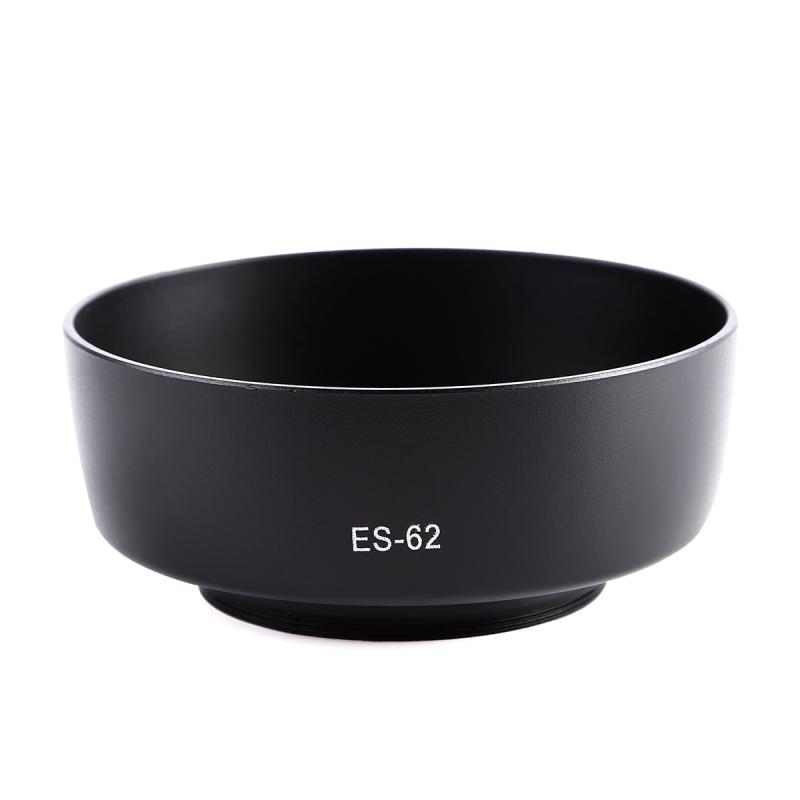
1. Canon EF 50mm f/1.8 STM
- The Canon EF 50mm f/1.8 STM is an outstanding lens for beginners and enthusiasts alike. Known as the "nifty fifty," this lens is lightweight, affordable, and produces sharp images with beautiful background blur (bokeh). It’s great for portraits, street photography, and low-light scenarios. Its quick autofocus system enhances efficiency during shoots.
Strengths: Affordable, compact, ideal for beginners, fast autofocus.
Weaknesses: Plastic build, slower autofocus for video.
2. Sony FE 85mm f/1.8
- A favorite among Sony users, the FE 85mm f/1.8 provides excellent image quality with sharp detail and smooth bokeh, making it perfect for portraits. It has a well-balanced design, offering fantastic performance at a mid-range price. With fast autofocus and weather sealing, it’s suited for outdoor shoots.
Strengths: Exceptional sharpness and bokeh, lightweight, weather-resistant.
Weaknesses: It’s not the fastest lens compared to its pricier counterparts.
3. Kentfaith 35mm f/1.7 Manual Focus Lens
- Kentfaith's 35mm f/1.7 lens brings in the charm of manual focus lenses paired with affordability. It’s ideal for photographers who want to take complete control of focus and explore creative shots. The wide aperture is perfect for low-light environments and bokeh effects. The lightweight design makes it suitable for street photography, casual portraits, or creative experiments with manual settings.
Strengths: Affordable, excellent bokeh, manual control over focus, great for beginners looking to expand their skill set.
Weaknesses: Limited to manual focus, no weather sealing.
The Best Zoom Lenses for Photography
4. Nikon AF-S DX NIKKOR 18-140mm f/3.5-5.6G ED VR
- This versatile zoom lens is perfect for budding photographers using Nikon crop sensor cameras. Its focal range covers everything from wide-angle landscapes to mid-telephoto shots, making it a great all-purpose option. It includes vibration reduction (VR) for minimizing blur caused by camera shake.
Strengths: Versatile focal range, VR stabilization, sharp images for the cost.
Weaknesses: Limited aperture range for low light photography.
5. Sigma 24-70mm f/2.8 DG HSM Art
- A favorite in the world of professional photography, the Sigma 24-70mm Art lens offers high-quality optics and consistent performance across its zoom range. Its wide aperture is ideal for shooting in various lighting conditions. This lens is compatible with Canon, Nikon, and Sony mounts.
Strengths: Excellent sharpness and build quality, fast aperture across zoom range, versatile performance.
Weaknesses: Heavy and expensive.
6. Kentfaith KF 18-200mm f/3.5-6.3 Variable Aperture APS-C Lens
- Kentfaith's all-purpose 18-200mm lens provides an excellent solution for photographers seeking versatility without switching lenses constantly. Its broad focal length makes it perfect for travel and diverse shooting scenarios. The variable aperture is forgiving for general use but may struggle in dimly lit conditions. Affordable and reliable for APS-C users.
Strengths: Wide focal range, affordable price point, good for travelers.
Weaknesses: Heavier than standard primes, slower aperture.
## Horizontal Comparison of the Lenses
While all these lenses deliver in their unique ways, budgets and specific needs play a significant role in the decision-making process. The Canon EF 50mm f/1.8 STM is an incredible budget solution for beginners, offering high-quality results for a minimal investment. Sony’s FE 85mm f/1.8 raises the bar, delivering better sharpness and portrait performance. Meanwhile, Kentfaith's 35mm f/1.7 shines as a specialized manual focus lens, offering an affordable way to creatively experiment with photography. Moving toward zooms, the Sigma 24-70mm f/2.8 Art lens stands out as a professional-grade option above Nikon’s AF-S DX NIKKOR or Kentfaith’s KF 18-200mm due to better overall build quality and aperture range.
## Recommended Lenses: The Final Ranking
1. Sigma 24-70mm f/2.8 DG HSM Art - Top-tier versatility for pros.
2. Sony FE 85mm f/1.8 - Outstanding for selective focus and portraits.
3. Kentfaith 35mm f/1.7 Manual Focus Lens - A brilliant pick for those diving into the creative side of photography.
## Buying Advice
If you’re looking to get started, consider a prime like the Canon EF 50mm or a Kentfaith 35mm lens to hone your skills. For photographers keen on professional work or versatile shooting, the Sigma 24-70mm f/2.8 is worth the investment. Wildlife and travel enthusiasts may favor zoom lenses like the Nikon 18-140mm or Kentfaith's 18-200mm for their diverse focal ranges.
Ultimately, the best lens depends on your camera system, intended use, and budget. Prioritize the features most important to your style, whether it’s wide apertures for shallow depth of field, weather sealing for rugged conditions, or compact size for street photography.
## Conclusion
Choosing the right lens requires careful consideration of your photography goals and preferences. Beginners may lean toward affordable and versatile options like the Canon 50mm prime, while professionals might opt for high-quality zooms like Sigma 24-70mm Art lenses. Don’t overlook the manual focus Kentfaith 35mm f/1.7 or the versatile Kentfaith 18-200mm for their unique strengths. With these recommendations, you’re well-equipped to make an informed decision for your photography journey.