Which Camera Is Best For Basic Photography?
When deciding on the best camera for basic photography, it's crucial to take various factors into account, such as your experience level, budget, preferred shooting style, and desired features. The landscape of entry-level cameras is ever-evolving, with brands offering options suitable for hobbyists, beginners, and those looking to upgrade from a smartphone camera. In this guide, we’ll explore some of the top contenders for basic photography and highlight their features, strengths, and weaknesses to help you make an informed decision.
## Factors to Consider Before Buying a Basic Camera
Before diving into a list of cameras, it’s important to evaluate your priorities and expectations for a camera. Here are some factors to consider:
1. Portability: Basic photography often involves casual use, so a lightweight, compact option might be ideal.
2. Ease of use: A beginner-friendly interface, intuitive controls, and guided settings make photography enjoyable for novices.
3. Image quality: While basic cameras prioritize ease over advanced specifications, having a good sensor for clear images is still vital.
4. Lens versatility: Some users may want access to interchangeable lenses for added creative control.
5. Price: Budget constraints are typically a significant factor; affordability vs. performance balance is key.
With these factors in mind, we’ll now turn to the cameras themselves.
## The Best Cameras for Basic Photography
1. The Best Entry-Level DSLR: Canon EOS Rebel T7
The Canon EOS Rebel T7 consistently ranks among the top choices for amateur photographers seeking a simple, reliable DSLR camera. Equipped with a 24.1 MP APS-C CMOS sensor, this camera delivers solid photo quality under various light conditions. Its built-in Wi-Fi makes transferring files seamless, while its guided modes help users master basic photographic techniques.
Pros:
- Excellent image quality for its price range.
- Connectivity features such as Wi-Fi and NFC.
- Wide range of compatible Canon lenses for future growth.
- Intuitive, easy-to-use controls for beginners.
Cons:
- Limited burst shooting, with just 3 fps speed.
- Fixed LCD screen with no tiltable functionality.
- Autofocus system is not as advanced as newer models.
This camera is ideal for someone starting with portrait and everyday photography while building their skills.
2. The Best Mirrorless Option: Sony Alpha a6100
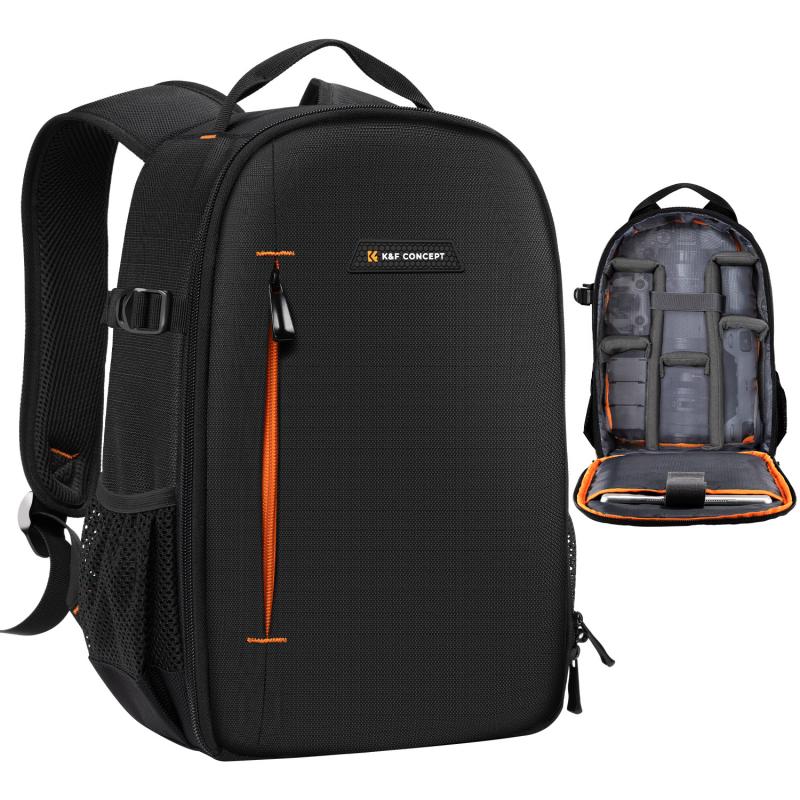
Sony’s Alpha a6100 is an entry-level mirrorless camera that brings advanced technology to basic photography. The real-time eye autofocus ensures sharpness in portraits and action photography, while its 24.2 MP APS-C sensor delivers crisp and vibrant images. Its compact size makes it ideal for photographers seeking portability along with professional-grade performance.
Pros:
- Outstanding autofocus speed and accuracy.
- Lightweight and compact for travel convenience.
- Excellent high ISO performance for low-light photography.
- 4K video recording adds versatility for videographers.
Cons:
- Limited customization options for advanced users.
- Smaller selection of native APS-C lenses compared to DSLRs.
- Battery life could be improved.
For beginners looking for an easy transition into photography or stepping up creative outputs, the Sony Alpha a6100 is undoubtedly compelling.
3. The Best Compact Camera: Panasonic Lumix DC-LX100 II
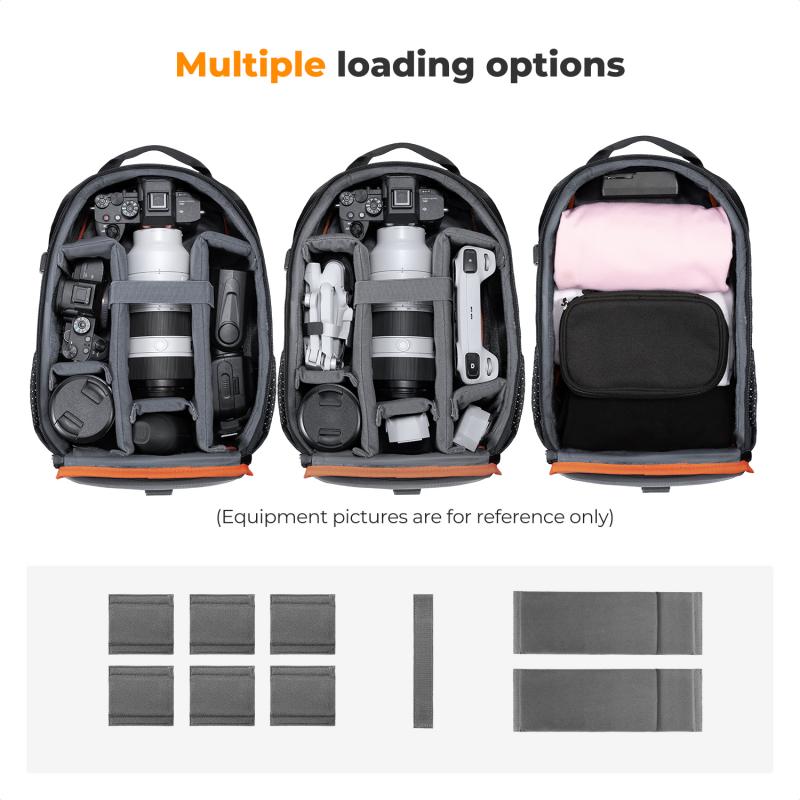
For those preferring a compact, all-in-one camera, the Panasonic Lumix DC-LX100 II is a fantastic choice. This model boasts a larger-than-average Micro Four Thirds sensor paired with a fast Leica lens, ensuring premium image quality in a compromise-free compact body. Whether documenting moments on the go or experimenting with manual controls, the LX100 II caters to a variety of shooting needs.
Pros:
- Bright f/1.7-2.8 lens offers versatility in various lighting conditions.
- Compact and lightweight design.
- High-resolution electronic viewfinder.
- A good balance between size and performance for casual shooters.
Cons:
- Fixed zoom lens, limiting creative flexibility.
- Fewer connectivity options compared to competitors.
- Price is higher than other compact cameras in its class.
For casual photographers who value portability without sacrificing quality, the Panasonic Lumix DC-LX100 II provides a solid choice.
4. The Best Affordable All-Rounder: KentFaith KF04.110
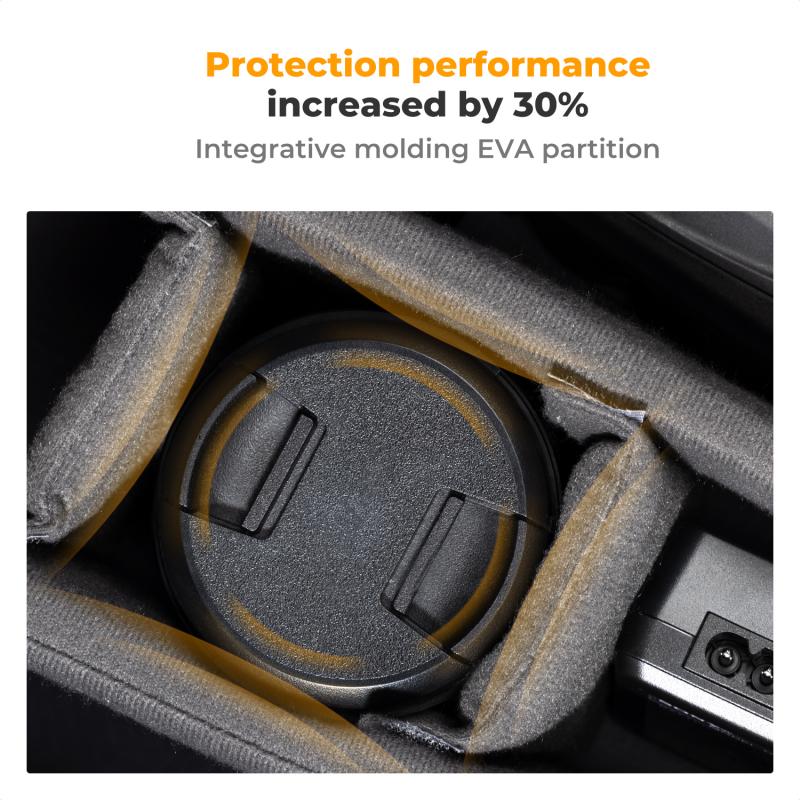
KentFaith might not be the most well-known name in the camera world, but the KF04.110 gives even seasoned brands a run for their money, especially in the entry-level market. Boasting a practical 20 MP sensor and a versatile kit lens, this camera caters to users looking for a hassle-free, capable choice for everyday photography. Its ergonomic design and lightweight build enhance user experience, while its guided shooting modes simplify learning for novice photographers.
Pros:
- Budget-friendly without sacrificing core features.
- Compact and lightweight, ideal for travel photography.
- User-friendly layout with helpful tutorial prompts.
- Good image quality for standard prints and social media sharing.
Cons:
- Limited native lens options compared to traditional camera brands.
- Not ideal for advanced shooters needing manual control depth.
- Battery life can fall short during extended shoots.
The KentFaith KF04.110 stands out for those with budget concerns or seeking an intuitive uncomplicated camera experience.
## Horizontal Comparison: Major Players
When comparing these cameras, key differences become identifying factors for choosing the right one:
Canon EOS Rebel T7 delivers the classic DSLR experience, favored for long-term growth through interchangeable lens options. However, its lack of advanced autofocus features places it slightly behind modern options like Sony Alpha a6100.
Sony Alpha a6100, as a mirrorless model, excels with compact size and advanced features but could feel overwhelming for complete beginners.
Panasonic Lumix DC-LX100 II blends premium optics with compact design but is less modular for users wishing to upgrade accessories in the future.
KentFaith KF04.110 offers affordability and beginner-friendly modes, resonating with simple shooters or users with limited budgets.
## Recommended Choices
1. Sony Alpha a6100: Perfect for those willing to pay a bit extra for cutting-edge autofocus and unparalleled portability.
2. Canon EOS Rebel T7: A great starting point for users who may want to explore DSLRs and creative modes.
3. KentFaith KF04.110: An ideal solution for new photographers who desire a straightforward camera without breaking the bank.
## Final Recommendations
For buyers seeking a middle ground between performance and usability, the Sony Alpha a6100 is a solid top choice across various needs like portraits, landscapes, and casual photography. If portability is less of a priority and affordability matters most, the KentFaith KF04.110 and Canon EOS Rebel T7 stand out as practical everyday-use cameras with reliable features.
Ultimately, when considering the best camera for basic photography, the decision boils down to balancing ease of use, creative desire, and specific shooting ambitions. All of the cameras mentioned above offer unique benefits, ensuring there’s something for everyone to begin their photographic journey on the right note.