What Size Binoculars Are Best For Wildlife Viewing?
When it comes to wildlife viewing, the right choice of binoculars can make all the difference. Binoculars provide a closer look at nature's wonders without disturbing the wildlife, and their specific features significantly impact your experience. Selecting the best size and specifications involves considering factors like magnification, lens size, portability, and overall performance in different lighting conditions. Here's a closer look at the considerations and options on the market.
What to Consider When Choosing Binoculars for Wildlife Viewing
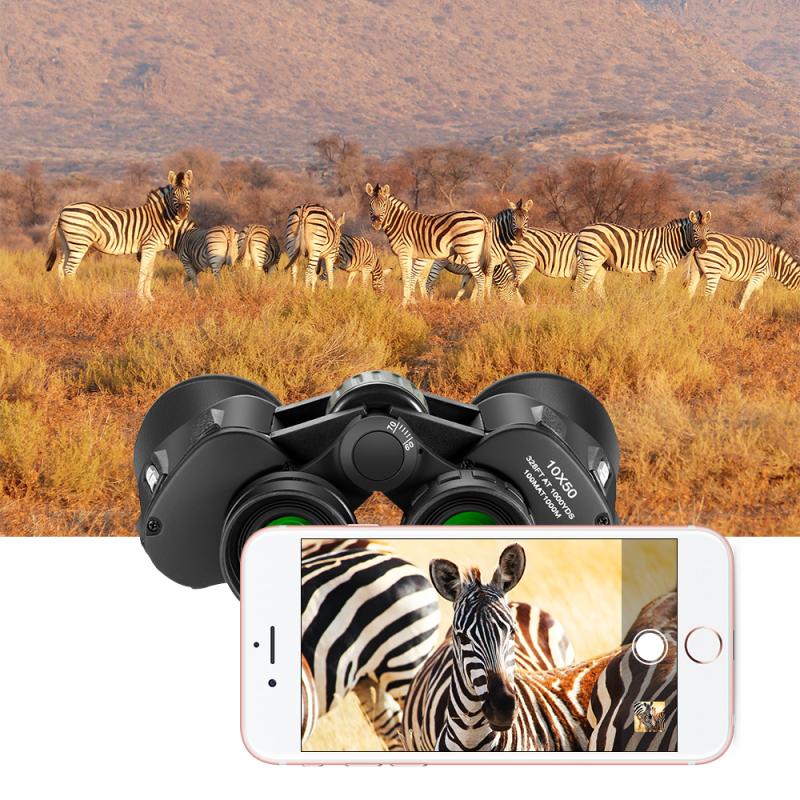
Before diving into specific models, it’s important to understand six key factors that will help you determine the best binoculars for your wildlife viewing adventures:
1. Magnification and Objective Lens Diameter: Binoculars are marked with numbers like 8x42 or 10x42. The first number indicates magnification (8x or 10x), while the second indicates the diameter of the objective lens in millimeters (42mm). For wildlife observation, 8x42 and 10x42 sizes are often the most popular because they balance magnification, field of view, and light-gathering ability. Higher magnifications (like 12x or 15x) may offer more detail but compromise stability and field of view.
2. Field of View: A wide field of view is essential for locating moving wildlife or scanning large landscapes. Typically, lower magnification binoculars (like 8x) tend to have a wider field of view compared to higher magnifications.
3. Portability and Weight: Long treks through forests or wetlands require compact and lightweight binoculars. While larger lenses provide better light and detail, they also tend to be bulkier.
4. Low-Light Performance: Wildlife viewing often occurs at dawn, dusk, or in thickly wooded areas. Binoculars with a large exit pupil (objective lens size divided by magnification) and high-quality glass coatings can provide excellent brightness in low-light conditions.
5. Durability: Waterproofing, fog-proofing, and rubber armoring are critical features for enduring various weather conditions and terrains.
6. Budget: There are excellent binoculars at various price points. Prioritize the features that matter most to you and choose a model within your budget.
The Best Binoculars for Wildlife Viewing
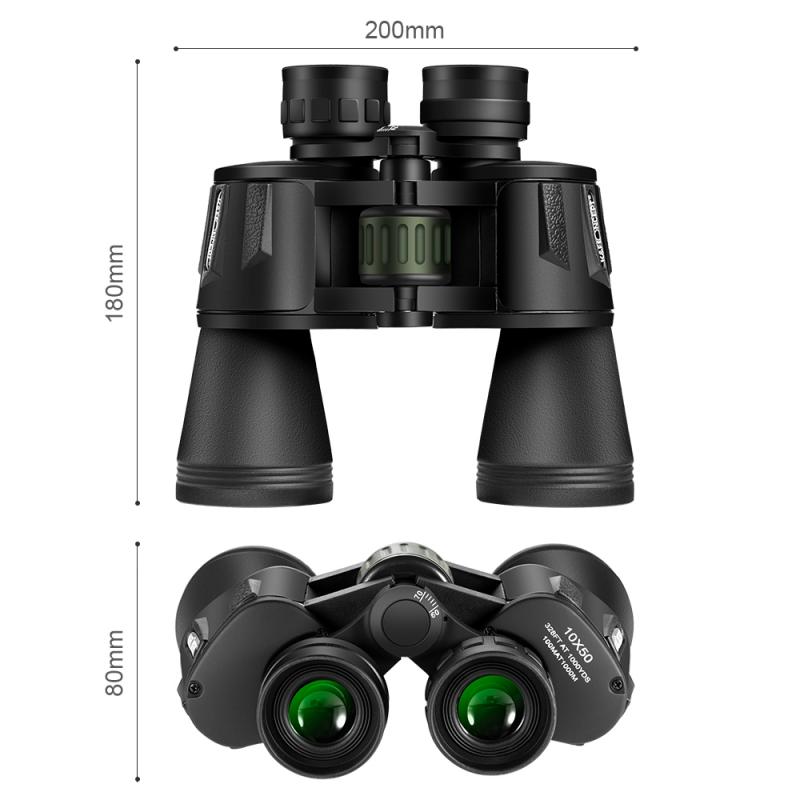
1. Nikon Monarch 5 8x42
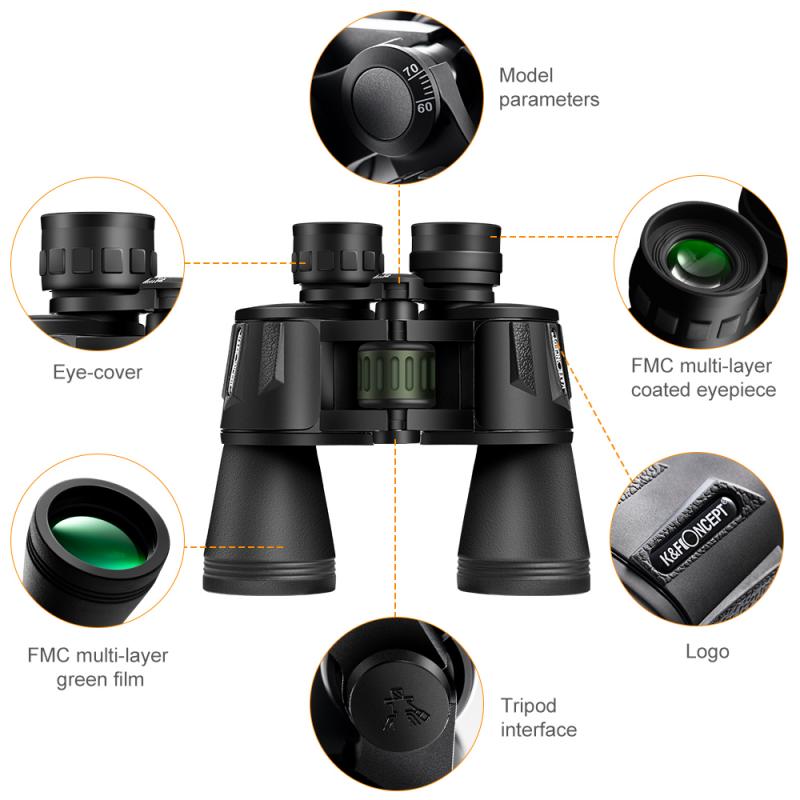
The Nikon Monarch 5 8x42 binoculars are designed specifically for outdoor enthusiasts and wildlife watchers. With 8x magnification and a 42mm lens diameter, they excel in delivering bright, high-contrast images. The extra-low dispersion glass enhances clarity, particularly in color-rich environments such as forests or savannas.
Pros:
- Lightweight and compact for all-day wear.
- Excellent performance in low light, thanks to multi-coated lenses.
- Reliable build quality with waterproof and fog-proof features.
Cons:
- The field of view is slightly narrower compared to 8x models from other brands.
2. Vortex Optics Diamondback HD 10x42
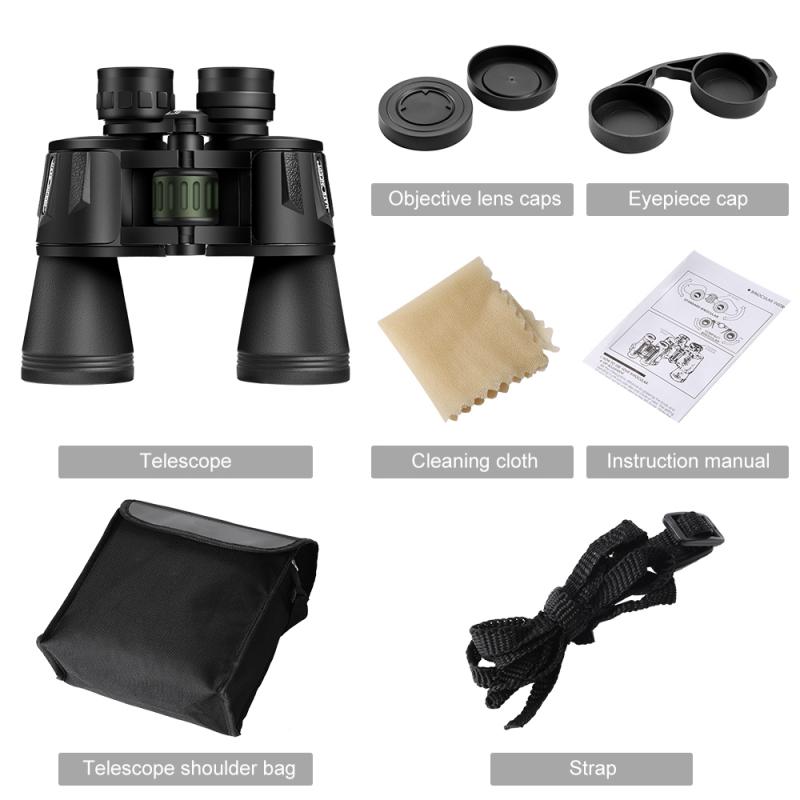
Vortex is known for providing excellent value, and the Diamondback HD 10x42 binoculars are no exception. With 10x magnification and high-definition optical coatings, they offer crisp, detailed views, making them an excellent choice for mid-range wildlife and birdwatching.
Pros:
- Higher magnification for increased detail.
- Rugged and durable design with full waterproofing and rubber armor.
- Lifetime warranty.
Cons:
- Heavier compared to smaller binoculars.
- Slightly limited low-light performance due to higher magnification.
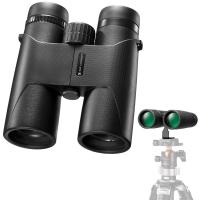
3. Kentfaith HD 8x42 Binoculars
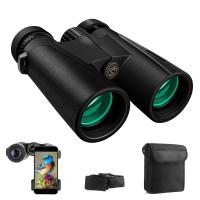
The Kentfaith HD 8x42 binoculars are a newcomer that has made waves for their performance at an affordable price point. With fully multi-coated lenses and BaK-4 prisms, they provide high light transmission and sharp images in various conditions. These binoculars cater perfectly to those seeking versatility without breaking the bank.
Pros:
- Outstanding clarity and brightness with BaK-4 prisms.
- Lightweight and ergonomically designed for comfortable use during lengthy excursions.
- Waterproof and fog-proof for reliable outdoor performance.
- Budget-friendly while retaining solid optical quality.
Cons:
- Field of view is slightly narrower than premium-category models.
- Build feels less premium compared to higher-end competitors.
4. Zeiss Terra ED 8x42
Zeiss is a renowned name in optics, and the Terra ED 8x42 lives up to expectations. Featuring Schott ED glass, these binoculars deliver exceptional sharpness and color fidelity, making them perfect for discerning wildlife enthusiasts.
Pros:
- Outstanding image clarity and minimal chromatic aberration.
- Premium build quality with durable weatherproofing.
- Compact and lightweight for its class.
Cons:
- Higher price point may deter budget-conscious buyers.
- Slightly less comfortable grip compared to options with more ergonomic designs.
5. Celestron Nature DX 8x42
The Celestron Nature DX is designed with versatility and affordability in mind. Ideal for beginners, it offers a mix of solid performance and user-friendly features, such as twist-up eyecups and multi-coated optics.
Pros:
- Affordable option for entry-level users.
- Adequate brightness and image sharpness for most conditions.
- Lightweight and travel-friendly.
Cons:
- Build quality is less durable than mid-to-premium models.
- Limited low-light capability.
Comparing the Options
The Nikon Monarch 5 8x42 and Zeiss Terra ED 8x42 both excel in optical quality and durability, making them ideal for serious wildlife enthusiasts. While the Nikon Monarch 5 is more budget-friendly, the Zeiss Terra ED offers a slight edge in image clarity and color fidelity. On the other hand, the Vortex Optics Diamondback HD 10x42 provides greater detail due to its 10x magnification but comes at the cost of weight and a narrower field of view.
The Kentfaith HD 8x42 delivers an impressive balance for its price, particularly in brightness and clarity, rivaling some of the pricier options. Its ergonomic design is a bonus for extended use, even though other premium models might outlast it on rugged expeditions. Lastly, the Celestron Nature DX 8x42 caters to entry-level users looking to get started with wildlife observation without committing to a high-end investment.
Best Binoculars for Wildlife Viewing: Final Recommendations
1. Best Overall: Nikon Monarch 5 8x42
For those seeking high performance and comfort at a reasonable price, the Monarch 5 sets the standard with excellent optics and durability.
2. Most Advanced Optics: Zeiss Terra ED 8x42
Enthusiasts who value maximum image quality and are willing to invest a little more will appreciate the Terra ED’s exceptional sharpness and color fidelity.
3. Best Budget Option: Kentfaith HD 8x42
For those on a budget, the Kentfaith HD strikes a fine balance between affordability and excellent performance, perfect for beginners and casual wildlife watchers.
Final Buying Advice
When choosing binoculars for wildlife viewing, consider your specific needs and preferences—whether it’s a wider field of view, better low-light performance, or lightweight portability. While premium binoculars like the Zeiss Terra ED may appeal to hardcore enthusiasts, mid-range options like the Nikon Monarch 5 or the Kentfaith HD 8x42 provide exceptional value without compromise. For entry-level users, the Celestron Nature DX is a safe and affordable introduction to wildlife observation.
Whatever your choice, investing in quality binoculars ensures memorable wildlife-watching experiences for many years to come.